


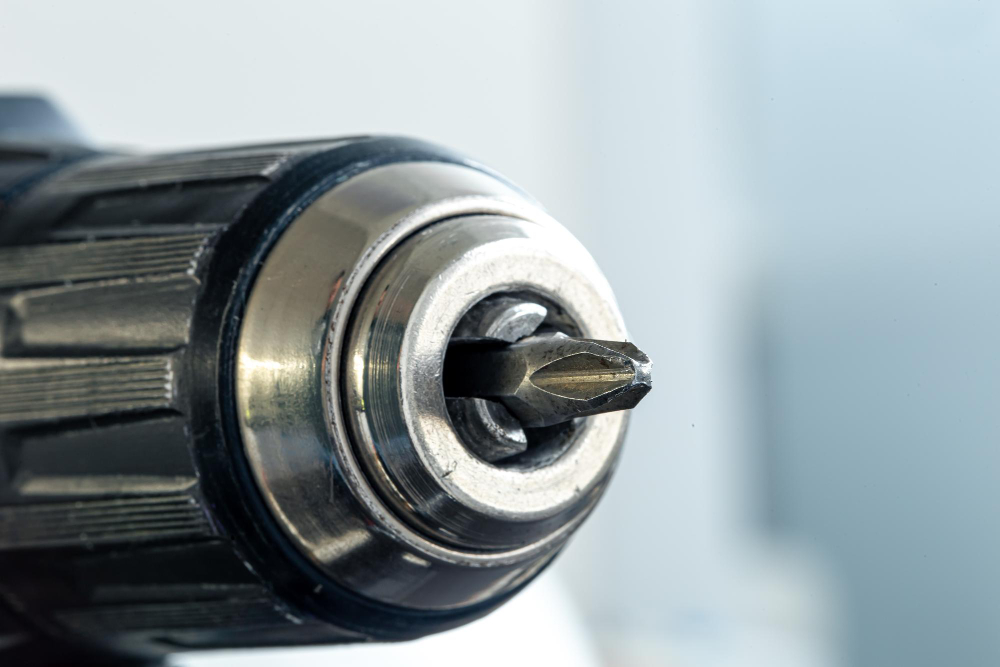
What Is a Winkelbohrspindel?
The term Winkelbohrspindel comes from German, where “Winkel” means angle, “Bohr” means drilling, and “Spindel” means spindle. In simple terms, a Winkelbohrspindel is an angle drilling spindle or right-angle spindle head designed to perform drilling, milling, or tapping operations at a specific angle, typically 90°, relative to the machine’s main spindle.
Unlike standard vertical or horizontal spindles, the Winkelbohrspindel allows precise machining of hard-to-reach areas, internal cavities, or angled surfaces without repositioning the workpiece. This makes it an indispensable tool in CNC machining centers, automotive manufacturing, aerospace engineering, and even woodworking applications.
Why the Winkelbohrspindel Matters in Modern Industry
As industrial manufacturing moves toward higher precision, automation, and reduced setup times, the Winkelbohrspindel has become a core accessory in flexible machining environments. Here’s why:
- No need for part repositioning: Operators can perform side or angular drilling without resetting the workpiece.
- Reduced downtime: Quick angle adjustments streamline the workflow.
- Compact and adaptable: The spindle can reach confined or obstructed zones.
- High precision and stability: Bearings and gear systems ensure consistent torque transfer.
For industries that demand tight tolerances—like aerospace and automotive—the ability to drill, mill, or tap holes at exact angles makes the Winkelbohrspindel an irreplaceable productivity tool.
How a Winkelbohrspindel Works
At its core, a Winkelbohrspindel functions as a mechanical angle transmission that redirects rotary motion from the main machine spindle through a set of bevel or spiral gears. The angle—usually 90°, but sometimes 45° or custom—is achieved via a compact gear housing that transfers the spindle rotation efficiently.
Key Components
- Housing:
Built from high-strength aluminum or hardened steel, the housing protects internal gears and ensures vibration stability. - Angle Gear Mechanism:
Typically a bevel gear or spiral bevel gear set that transfers torque while maintaining accuracy.
Example: High-end models from Grotefeld or BENZ Tooling use precision-ground spiral bevel gears for smoother operation. - Spindle Shaft:
The main rotating element that holds the cutting or drilling tool. It must be perfectly balanced to minimize run-out. - Bearings:
Precision ball or roller bearings reduce friction and maintain concentricity at high RPMs. - Tool Interface:
Standard tool holders such as ER collets, ISO, BT, or HSK tapers are used depending on machine compatibility. - Lubrication and Cooling:
Many Winkelbohrspindeln include integrated oil mist or grease lubrication systems to prevent heat buildup and wear during long cycles.
Types of Winkelbohrspindeln
Depending on the application, several types of angle drilling spindles exist:
| Type | Description | Best Used For |
|---|---|---|
| Fixed-Angle Spindle (90°) | Standard configuration for most side-drilling applications | CNC machining centers, automotive parts |
| Adjustable-Angle Spindle | Angle can be manually set between 0°–90° | Aerospace, mold-making, custom components |
| Multi-Spindle Head | Houses multiple spindles for simultaneous drilling | Furniture production, panel drilling |
| Compact / Mini Angle Head | Lightweight for tight spaces or robotic use | Small CNC machines, woodworking |
This versatility makes the Winkelbohrspindel one of the most adaptable accessories in modern machining.
Applications Across Industries
1. Automotive Engineering
Car components such as engine blocks, transmission housings, and suspension mounts often require side holes or angular bores. Using a Winkelbohrspindel eliminates the need to reposition these heavy workpieces, saving time and improving accuracy.
2. Aerospace and Defense
Aircraft parts, turbine housings, and lightweight aluminum frames involve complex geometries. A Winkelbohrspindel enables multi-axis access to tight angles while maintaining high surface finish and dimensional integrity.
3. Mold and Die Manufacturing
Toolmakers frequently rely on angle spindle heads to reach internal cavities or machine draft angles inside injection molds and die-casting tools.
4. Woodworking and Furniture Production
In woodworking CNC routers, compact Winkelbohrspindeln are used for concealed joints, hinge drilling, or angled screw holes—common in cabinetry and modular furniture systems.
5. Medical and Precision Engineering
Miniaturized versions are used in medical device manufacturing for drilling titanium and stainless-steel components with extreme precision.
Advantages of Using a Winkelbohrspindel
- Maximum Accessibility:
Easily reach side or internal surfaces that are impossible for standard vertical spindles. - Improved Efficiency:
Minimizes re-clamping and setup time, resulting in higher throughput. - Superior Accuracy:
Rigid gear construction ensures that even angled bores meet tight tolerance requirements. - Extended Machine Capability:
Turns a standard 3-axis machine into a pseudo 5-axis unit without expensive upgrades. - Cost-Effective Automation:
Ideal for manufacturers who want to boost versatility without investing in new multi-axis equipment. - Enhanced Surface Finish:
The stable gear system minimizes vibration during angled drilling or milling.
Limitations to Consider
While Winkelbohrspindeln offer impressive flexibility, they also have a few practical limitations:
- Initial Cost:
High-precision gear systems can be expensive compared to fixed spindles. - Maintenance Requirements:
Lubrication and periodic inspection of bearings and gears are crucial for longevity. - Speed Restrictions:
Angle heads may have lower maximum RPMs than direct-drive spindles due to gear limitations. - Operator Skill:
Precise alignment and feed rate control are required to avoid tool deflection.
Despite these factors, when properly maintained and used within recommended parameters, a Winkelbohrspindel can dramatically increase machining versatility and productivity.
Choosing the Right Winkelbohrspindel for Your Machine
When selecting an angle drilling spindle, consider the following factors:
- Machine Interface:
Ensure compatibility with your CNC toolholder system (BT, CAT, ISO, or HSK). - Torque and Speed Requirements:
Match the spindle’s rated RPM and torque to your application—heavy drilling needs higher torque; fine milling favors higher speed. - Gear Ratio and Angle:
Most are 1:1 ratio at 90°, but some offer variable ratios for speed or torque emphasis. - Tool Shank Size:
Common options include ER20, ER25, and ER32 collet systems. - Coolant Compatibility:
For high-speed drilling, internal coolant channels improve tool life and chip evacuation. - Build Quality and Brand:
Renowned German manufacturers such as Grotefeld, BENZ Tooling, and OTT-Jakob are known for reliability and precision engineering.
Maintenance and Longevity Tips
To ensure your Winkelbohrspindel operates smoothly and lasts for years:
- Regularly inspect bearings and seals for wear.
- Reapply lubricant or grease according to the manufacturer’s schedule.
- Avoid exceeding the maximum rated RPM.
- Store the spindle in a dry, clean environment when not in use.
- After long machining sessions, allow cool-down periods to prevent thermal expansion.
With proper care, a high-quality Winkelbohrspindel can easily exceed 10,000 hours of operational life in industrial conditions.
Future Trends in Winkelbohrspindel Technology
Modern machining is rapidly evolving, and so are spindle attachments. Manufacturers are integrating:
- Smart Sensors for vibration and temperature monitoring
- Automatic Angle Adjustment via CNC control
- Lightweight Carbon Composite Housings for robotics and cobots
- Lubrication-free Gear Systems to reduce maintenance
- Modular Quick-Change Designs for high-mix, low-volume production
These innovations point toward the Winkelbohrspindel becoming a key component in the Industry 4.0 machining ecosystem, bridging flexibility, data, and automation.
Conclusion
The Winkelbohrspindel is more than just an accessory—it’s a precision enabler that transforms how modern CNC machines perform. By allowing accurate drilling, milling, and tapping at virtually any angle, it enhances productivity, reduces downtime, and opens new design possibilities.
Whether you’re manufacturing automotive components, aerospace assemblies, or fine wooden furniture, integrating a Winkelbohrspindel into your production line means achieving better accuracy, higher efficiency, and greater flexibility—the hallmarks of world-class manufacturing.
