


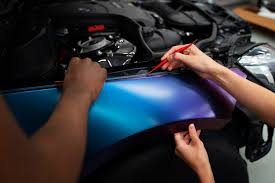
In the world of modern printing, furniture design, and automotive finishing, UV Lack has become a symbol of quality, durability, and brilliance. Known for its glossy appearance, scratch resistance, and environmental benefits, UV Lack (short for Ultraviolet Lacquer) is more than just a coating — it’s a technology that revolutionized surface finishing across industries.
In this comprehensive guide, we’ll explore what UV Lack is, how it works, its applications, advantages, and why it’s the preferred choice for professionals seeking a long-lasting, high-quality finish.
What Is UV Lack?
UV Lack (from the German term “Ultraviolett-Lack”) refers to a UV-curable lacquer or coating that hardens when exposed to ultraviolet (UV) light. It’s commonly used in printing, woodworking, packaging, and automotive industries to achieve a durable, glossy, or matte protective layer on various materials.
The science behind UV Lack lies in its curing process: when exposed to UV light, photoinitiators within the coating trigger a chemical reaction that instantly hardens the surface. Unlike conventional coatings that dry through evaporation, UV coatings cure almost instantly, resulting in a faster, cleaner, and more environmentally friendly process.
How UV Lack Works
The UV curing process is a fascinating combination of chemistry and light technology. Here’s how it works step-by-step:
- Application – The UV Lack is applied to a surface (such as paper, wood, or metal) using techniques like roller coating, spraying, or printing.
- Exposure – The coated surface is then passed under UV lamps, typically containing mercury vapor or LED UV lights.
- Polymerization – When UV light hits the coating, photoinitiators activate and cause the liquid monomers and oligomers in the lacquer to polymerize — turning them into a solid film.
- Curing – This process happens almost instantly, resulting in a hard, chemical-resistant, and smooth finish.
This instant-curing mechanism is why UV Lack is often preferred in high-speed industrial production lines — it saves time while maintaining consistency and quality.
Types of UV Lack Finishes
UV Lack isn’t a one-size-fits-all solution. Depending on the application and aesthetic goals, different types of finishes are available:
1. High Gloss UV Lack
- Offers a mirror-like, reflective surface.
- Common in luxury packaging, magazines, and high-end furniture.
- Enhances color depth and vibrancy.
2. Matte UV Lack
- Creates a non-reflective, smooth finish.
- Ideal for minimalist designs and surfaces where glare reduction is needed.
- Popular in furniture, flooring, and premium product packaging.
3. Partial UV Coating (Spot UV)
- Used to highlight specific design elements like logos or images.
- Provides contrast between matte and glossy surfaces.
- Common in business cards, brochures, and book covers.
4. Textured UV Lack
- Adds tactile texture or patterns.
- Used for decorative panels, specialty prints, or creative packaging.
Each finish serves a specific purpose, offering flexibility for designers and manufacturers to achieve the desired aesthetic and functional properties.
Applications of UV Lack
The versatility of UV Lack makes it applicable across multiple industries. Let’s explore its most common uses:
1. Printing Industry
In printing, UV Lack is applied to enhance the look and feel of printed materials like:
- Magazines and catalogs
- Business cards
- Brochures and flyers
- Product packaging
Benefits for printing:
- Enhances color saturation
- Provides fingerprint and scratch resistance
- Enables creative design effects (e.g., spot gloss)
2. Furniture and Wood Finishing
In furniture manufacturing, UV Lack is applied to wooden surfaces to protect them from scratches, moisture, and fading. It’s commonly used on:
- Cabinets
- Tables
- Flooring
- Decorative panels
Advantages for furniture:
- Long-lasting shine and durability
- Chemical and stain resistance
- Faster production compared to traditional varnishing
3. Automotive Coatings
Car manufacturers and detailing professionals use UV Lack for its resilient, high-gloss finish that resists UV rays, dirt, and chemicals. It helps maintain the car’s exterior shine for longer periods.
4. Electronics and Consumer Goods
UV coatings are also used on:
- Mobile phone cases
- Laptops and electronic housings
- Cosmetic containers
They enhance product aesthetics while providing surface protection.
Advantages of UV Lack
The popularity of UV Lack is due to its numerous benefits over traditional coatings. Here are some of the key advantages:
1. Instant Curing
The biggest advantage of UV Lack is its rapid curing process. Surfaces can be processed or packaged immediately after coating — no waiting for drying time.
2. Superior Gloss and Clarity
UV coatings produce unmatched brightness and gloss levels, enhancing visual appeal and color vibrancy.
3. Durability
UV-cured coatings are highly resistant to abrasion, chemicals, and UV radiation, ensuring long-lasting protection.
4. Eco-Friendly Option
Unlike solvent-based coatings, UV Lack contains little to no volatile organic compounds (VOCs), making it an environmentally responsible choice.
5. Cost Efficiency
Faster production cycles and reduced waste make UV finishing cost-effective for large-scale manufacturers.
6. Versatility
Applicable to a wide range of materials — including paper, wood, metal, plastic, and composites — UV Lack fits diverse industrial needs.
Disadvantages of UV Lack
Despite its many benefits, UV Lack has a few limitations:
- Higher Equipment Cost: UV curing systems (lamps, rollers, etc.) require significant initial investment.
- Limited Heat Resistance: UV coatings may degrade under extreme heat.
- Hardness Issues: The ultra-hard surface can make recoating or repairs challenging.
- Safety Measures: UV light exposure requires proper shielding and safety precautions to protect workers.
However, with modern LED UV systems and advanced formulations, many of these challenges are being reduced significantly.
UV Lack vs. Conventional Coatings
| Feature | UV Lack | Traditional Lacquer |
|---|---|---|
| Curing Method | UV Light | Air or Heat Drying |
| Curing Speed | Instant | Hours to Days |
| VOC Emission | Very Low | High |
| Durability | Excellent | Moderate |
| Finish Quality | High Gloss / Matte | Varies |
| Cost | Higher Initial, Lower Long-Term | Lower Initial, Higher Maintenance |
This comparison clearly shows why industries are shifting toward UV technology — it offers sustainability, quality, and performance unmatched by traditional coatings.
The Role of UV LED Technology
Modern advancements in LED-based UV curing have revolutionized the UV coating industry. Unlike conventional mercury lamps, UV LED systems are energy-efficient, generate less heat, and have a longer lifespan.
Benefits of UV LED curing:
- Lower power consumption
- No ozone emission
- Uniform and consistent curing
- Compact equipment design
As sustainability becomes a global priority, UV LED technology is set to dominate the coating and printing industries in the coming decade.
Environmental Impact and Sustainability
Sustainability is one of the most significant advantages of UV Lack. With minimal VOC emissions and nearly 100% solid content, UV coatings reduce environmental pollution and improve workplace safety.
Moreover, the energy efficiency of UV LED systems contributes to lower carbon footprints — aligning with global environmental goals and industrial eco-certifications.
Future of UV Lack Technology
As technology evolves, so does the innovation in UV coatings. Researchers and manufacturers are exploring new formulations, such as:
- Bio-based UV coatings derived from renewable materials
- Smart UV coatings with self-healing or anti-microbial properties
- Hybrid UV systems combining LED and traditional curing for optimal results
The next generation of UV Lack will not only enhance performance but also contribute to a more sustainable and efficient manufacturing ecosystem.
Conclusion
UV Lack represents a perfect blend of science, sustainability, and surface beauty. Whether in glossy magazines, elegant furniture, or sleek automotive finishes, UV coatings are redefining what’s possible in modern surface finishing.
With instant curing, superior durability, and eco-friendly attributes, UV Lack has become an industry standard across printing, furniture, and manufacturing sectors. As LED UV technology continues to advance, we can expect even more efficient, sustainable, and creative uses of UV coatings in the years ahead.
