


If you’ve ever sat down to a steaming bowl of Serbian čorba (soup), bitten into a richly flavored meat patty, or marveled at the complex, savory depth of a slow-cooked stew, you’ve likely tasted the work of a quiet, unassuming hero. It’s not a rare spice or a complicated technique, but a humble trio known as pravi celer.
Literally translating to “real celery,” pravi celer is so much more than its name suggests. It’s the foundational bedrock upon which countless Balkan dishes are built. It’s the secret whisper of flavor that makes a dish taste unmistakably, comfortingly, authentically Serbian.
For anyone looking to move beyond simply following a recipe and truly understand the heart of this beloved cuisine, grasping the concept of pravi celer is your first and most important lesson.
What Exactly is Pravi Celer? Deconstructing the Holy Trinity
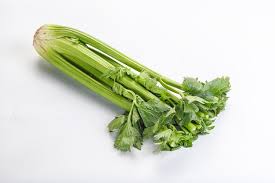
Let’s clear up the potential confusion right away. Pravi celer does not refer to the common green celery stalks you find in a Western supermarket’s crisper drawer, which are used for salads and ants on a log.
In Serbian and many neighboring Balkan cuisines, pravi celer is a specific trio of aromatic vegetables:
- Celer (Celery Root or Celeriac): This is the star of the show. It’s the knobby, brown, ugly-duckling root vegetable that, when peeled, reveals a crisp, white flesh with a potent, concentrated celery flavor that is earthier and more complex than its stalky cousin.
- Peršun (Parsley Root): Often confused with its leafy namesake, parsley root is a pale, carrot-shaped root with a subtle, sweet, and distinctly parsley-like flavor. It’s less bitter than a parsnip and provides a crucial herbal backbone.
- Mrkva (Carrot): The familiar friend. The carrot’s job is to lend a touch of sweetness and a beautiful golden color to stocks and sauces.
When a Serbian grandmother instructs you to “dodaj pravi celer” (add the real celery), she is almost always referring to this specific combination of roots. They are typically finely diced or grated together at the start of cooking to form the flavor base for a dish, a technique known as zaprška (similar to the French mirepoix or the Italian soffritto).
The Indispensable Role of Pravi Celer in Serbian Cooking
Why is this trio so non-negotiable? Its power lies in its ability to create a profound, layered savoriness that forms the very soul of a dish. It’s the difference between a thin, watery soup and a rich, hearty čorba.
1. The Ultimate Foundation for Soups and Stews:
No respectable Serbian bean soup (pasulj), beef soup (goveđa čorba), or fisherman’s soup (riblja čorba) is made without a base of sautéed pravi celer. The diced roots are gently sweated in oil or lard until they soften and release their essential oils and sugars. This process, called blanširanje, creates a flavor foundation that permeates the entire pot, giving the broth an unparalleled depth and body.
2. The Heart of Meat Dishes:
From the famous pljeskavica (Serbian burger) to ćufte (meatballs) and sarma (stuffed cabbage rolls), pravi celer is a key ingredient in the meat mixture itself. Finely grated celery root and parsley root add moisture, flavor, and a subtle complexity that prevents the meat from tasting one-dimensional. They bind the meat, absorb the fats, and create a wonderfully aromatic experience.
3. The Secret to Rich Sauces and Gravies:
Whether it’s a sauce for roasted meat or the cooking liquid for a podvarak (baked sauerkraut with meat), a base of pravi celer ensures the sauce is flavorful enough to be sopped up with fresh bread—a national pastime in Serbia.
4. A Flavorful Vegetable Side in its Own Right:
Beyond being a supporting act, these roots can be the main event. Boiled and mashed together with potatoes, they create a delicious and healthy side dish. They can be roasted alongside a Sunday roast, caramelizing at the edges and becoming sweet and tender.
Finding and Working with Pravi Celer: A Practical Guide
For those outside the Balkans, sourcing these ingredients can be the biggest hurdle.
- Celery Root (Celeriac): This is becoming increasingly common in well-stocked supermarkets, health food stores, and farmers’ markets, especially in the autumn and winter months. Look for firm, heavy roots with the least amount of knobs and rootlets.
- Parsley Root: This is the trickier one to find. Your best bet is a European specialty market, a farmer who specializes in heirloom vegetables, or a large farmer’s market. If you absolutely cannot find it, a combination of parsnip (use half the amount, as it’s stronger) and the stems of fresh parsley can be a passable, though not perfect, substitute.
Preparation Tips:
- Washing and Peeling: These are root vegetables, so they often come caked in soil. Give them a good scrub. You will need a sturdy peeler or a sharp knife to remove the tough outer skin of the celery root and parsley root.
- Preventing Browning: Once peeled and cut, the flesh can brown quickly. If you’re not using them immediately, submerge the diced or grated pieces in a bowl of water with a squeeze of lemon juice.
- The Grating/Dicing Rule: For raw meat mixtures (like for pljeskavica), finely grating the roots is essential for texture and even cooking. For soups and stews, a fine to medium dice is perfect.
A Taste of Tradition: Classic Serbian Recipes Featuring Pravi Celer
To truly understand, you must taste. Here’s how pravi celer is used in two cornerstone dishes.
Recipe 1: The Ultimate Serbian Bean Soup (Pasulj)
No dish exemplifies the power of pravi celer better than a slow-cooked pot of pasulj.
- Ingredients: White beans, smoked meats (ribs, bacon), onions, and of course, a generous amount of finely diced pravi celer (celery root, parsley root, and carrot).
- The Method: The soup starts not with the beans, but with the zaprška. The diced pravi celer and onion are sautéed until soft and fragrant. This base is then added to the pot with the beans and meat. As it all simmers for hours, the roots slowly dissolve, thickening the broth and imbuing it with a deep, savory flavor that is the very definition of comfort.
Recipe 2: Authentic Serbian Pljeskavica
The secret to a truly memorable pljeskavica that is juicy and flavorful on the inside with a crispy crust on the outside lies in the meat mixture.
- Ingredients: A blend of ground beef, pork, and lamb, onions, garlic, and finely grated pravi celer (primarily the celery root and parsley root).
- The Method: The grated roots are mixed directly into the ground meat. As the pljeskavica cooks, the moisture from the roots steams from the inside, keeping the patty incredibly juicy, while the fibers help bind the meat together. The flavor is subtle but transformative—it’s what separates a homemade pljeskavica from a commercial one.
Beyond the Plate: The Humble Wisdom of Pravi Celer
In a world of fast food and instant flavor packets, the commitment to pravi celer represents something deeper than just culinary tradition. It represents a philosophy of cooking:
- Patience: Good food cannot be rushed. The slow sautéing of the roots, the long simmering of the soup—this is where flavor is born.
- Resourcefulness: It uses the whole plant, the often-ignored roots, to create extraordinary flavor from ordinary ingredients.
- Connection to the Land: These are hardy, earthy vegetables that grow in the region, reflecting a cuisine deeply connected to its terroir and seasons.
