


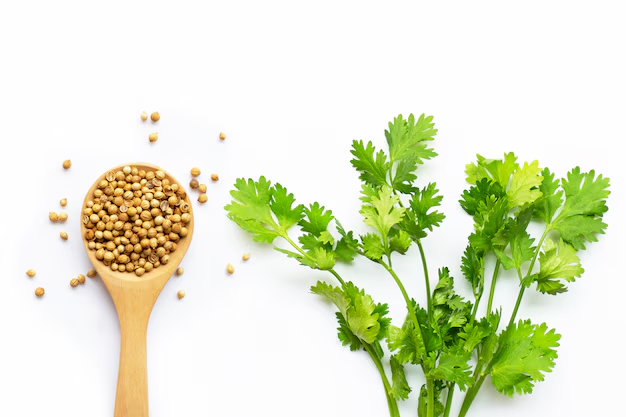
Koriandri, also widely known as coriander, is one of the most versatile and aromatic herbs used across global cuisines. Its unique flavor profile, health benefits, and culinary adaptability make it a staple in kitchens from Asia to Europe and the Americas. In this comprehensive guide, we will explore everything you need to know about koriandri, including its history, uses, nutritional benefits, and practical tips for growing and cooking with this amazing herb.
What is Koriandri?
Koriandri is an herb derived from the plant Coriandrum sativum, belonging to the Apiaceae family. Both its leaves and seeds are used in cooking, though they possess distinctly different flavors. The fresh green leaves have a bright, citrusy, and slightly peppery taste, while the seeds are warm, nutty, and slightly sweet. This duality makes koriandri incredibly versatile in culinary applications.
The name “koriandri” is commonly used in South Asian regions, while “coriander” is more prevalent in Western countries. Despite regional naming differences, the herb’s uses and benefits remain universal.
History of Koriandri
Koriandri has a long and storied history, dating back thousands of years. Ancient Egyptians used it for both culinary and medicinal purposes, while it is mentioned in Greek and Roman texts as a valued spice. In the Middle Ages, koriandri became an essential part of European cuisine, valued for its flavor and preservative properties.
In South Asian countries, koriandri has been used extensively in traditional dishes and Ayurvedic medicine. The herb was introduced to the Americas through European explorers and quickly became a popular ingredient in Latin American, Mexican, and Caribbean cuisines.
Nutritional Benefits of Koriandri
Koriandri is more than just a flavorful herb; it offers an impressive array of nutritional benefits. Its leaves and seeds are rich in vitamins, minerals, and antioxidants, making it a valuable addition to any diet.
Vitamins and Minerals
- Vitamin C – Boosts immunity and acts as a powerful antioxidant.
- Vitamin K – Supports bone health and proper blood clotting.
- Vitamin A – Essential for vision, skin health, and immunity.
- Potassium – Helps regulate blood pressure and fluid balance.
- Calcium and Iron – Important for bone strength and red blood cell production.
Antioxidant and Anti-inflammatory Properties
Koriandri contains natural compounds that combat oxidative stress and reduce inflammation. Regular consumption can help protect against chronic diseases such as heart disease, diabetes, and certain types of cancer.
Digestive Health
Koriandri has traditionally been used to support digestion. Its compounds may help stimulate digestive enzymes, reduce bloating, and alleviate symptoms of indigestion. Drinking coriander tea or adding fresh leaves to meals can enhance digestive comfort.
Blood Sugar Management
Emerging research suggests that koriandri seeds may help regulate blood sugar levels. Consuming ground coriander or coriander-infused dishes may assist in managing glucose levels, making it a helpful herb for individuals with type 2 diabetes.
Culinary Uses of Koriandri
One of the reasons koriandri is so beloved is its adaptability in cooking. Both the leaves (cilantro) and seeds (coriander seeds) are used in a variety of dishes.
Fresh Koriandri Leaves
Fresh koriandri leaves are often used as a garnish or flavor enhancer in salads, soups, and curries. Their bright, citrusy flavor complements spicy, savory, and even sweet dishes. Common applications include:
- South Asian Curries – Sprinkled on top of dal, paneer dishes, and chicken curries.
- Salsas and Chutneys – Fresh leaves add vibrancy and freshness to dips.
- Salads – Mixed with greens, tomatoes, cucumbers, and lemon juice for a refreshing salad.
- Sandwiches and Wraps – Adds a zesty punch to wraps, tacos, and flatbreads.
Koriandri Seeds
Coriandri seeds are typically dried and ground into a powder for use in spice blends or used whole in cooking. They add warmth and depth to dishes. Popular uses include:
- Indian Masalas – Essential ingredient in garam masala, curry powders, and pickles.
- Roasting and Seasoning – Used to season roasted vegetables, meats, and rice dishes.
- Baking – Ground coriander adds subtle flavor to bread, cookies, and savory pastries.
- Infusions – Seeds can be steeped in hot water to make coriander tea.
Global Cuisine
Koriandri transcends regional boundaries:
- Mexican Cuisine – Known as cilantro, the leaves are used in tacos, guacamole, and salsas.
- Middle Eastern Cuisine – Leaves and seeds are incorporated in falafel, hummus, and spice blends like za’atar.
- Southeast Asian Cuisine – Used in Thai, Vietnamese, and Indonesian dishes for soups, sauces, and marinades.
- European Cuisine – Seeds are used in pickling, sausages, and breads.
How to Grow Koriandri
Growing koriandri at home is relatively easy, and having fresh leaves on hand enhances the flavor of any dish. Here are some tips for successful cultivation:
- Soil and Sunlight – Koriandri thrives in well-drained soil with plenty of sunlight.
- Planting – Sow seeds directly into the soil, keeping them moist until germination.
- Watering – Keep the soil consistently moist but avoid overwatering.
- Harvesting – Leaves can be harvested when the plant reaches 4–6 inches in height. Seeds are collected once they turn brown and dry.
- Companion Planting – Koriandri grows well alongside vegetables such as tomatoes and onions, enhancing the growth of surrounding plants.
Health Precautions
While koriandri is generally safe, some people may be allergic to the herb, particularly its leaves. Allergic reactions may include skin rashes or digestive discomfort. Additionally, excessive consumption of coriander seeds may lower blood sugar too much in people taking diabetes medication. Moderation is key.
Tips for Storing Koriandri
Proper storage ensures maximum flavor and nutritional benefits:
- Leaves – Wrap in a damp paper towel and place in a sealed container in the refrigerator. Use within a week.
- Seeds – Store in an airtight container in a cool, dark place. Ground seeds lose potency faster, so grinding fresh as needed is recommended.
Fun Facts About Koriandri
- Koriandri leaves are also called cilantro in many parts of the world.
- The herb has been used medicinally for over 3,000 years.
- Ancient Romans believed koriandri seeds could calm the nerves and aid sleep.
- Koriandri oil, extracted from seeds, is used in perfumes, soaps, and natural remedies.
Incorporating Koriandri into Your Diet
Adding koriandri to your daily diet is simple and rewarding. Here are some easy ways:
- Sprinkle fresh leaves over soups, noodles, or grilled vegetables.
- Blend leaves into smoothies or juices for a nutritional boost.
- Use ground seeds in spice rubs for meats or roasted vegetables.
- Make coriander tea by steeping seeds in hot water.
- Add leaves to sandwiches, wraps, or omelets for a flavor upgrade.
Conclusion
Koriandri is more than just an herb; it is a culinary treasure with a rich history, impressive health benefits, and limitless versatility in cooking. Whether you use the leaves, seeds, or both, incorporating koriandri into your meals can enhance flavor, nutrition, and overall well-being. From ancient civilizations to modern kitchens, koriandri remains a beloved herb, connecting cultures through its aromatic charm.
