


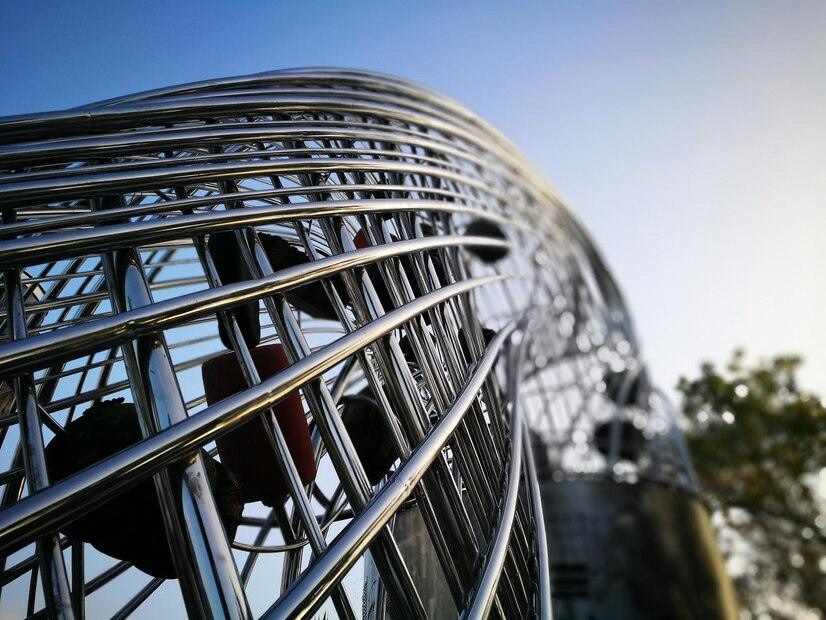
In today’s world, where environmental sustainability is paramount, the construction industry plays a crucial role in driving eco-friendly initiatives. One significant way the industry is contributing is through steel construction. This blog post delves into the multifaceted advantages of steel construction in promoting eco-friendly structures, providing detailed insights, technical information, and practical advice on how this material is revolutionizing the way we build.
The Eco-Friendly Nature of Steel Construction
1. Recyclability of Steel
One of the most notable eco-friendly attributes of steel is its recyclability. Steel is the most recycled material on the planet. According to the World Steel Association, over 650 million tonnes of steel are recycled annually. The recycling process does not degrade the material’s quality, meaning steel can be recycled indefinitely without losing its properties. This characteristic significantly reduces the need for raw material extraction, conserving natural resources and reducing energy consumption.
2. Energy Efficiency in Production
Advancements in technology have made steel production more energy-efficient than ever before. Modern steel plants are designed to be energy-efficient, utilizing methods such as electric arc furnaces, which use scrap steel and electricity, and require less energy compared to traditional blast furnaces. Additionally, these processes produce fewer greenhouse gas emissions, aligning with global efforts to combat climate change.
3. Durability and Longevity
Steel’s inherent strength and durability mean that structures built with steel require less maintenance and have longer lifespans. This longevity reduces the need for frequent repairs or replacements, leading to less material waste over time. Buildings made with steel can easily withstand harsh environmental conditions, including natural disasters like earthquakes and hurricanes, further emphasizing their sustainability.
Innovative Steel Construction Techniques
1. Prefabrication and Modular Construction
Steel lends itself well to prefabrication and modular construction techniques. Prefabricated steel components are manufactured off-site in controlled environments, reducing construction waste and minimizing on-site disturbances. Modular construction allows for entire sections of buildings to be constructed off-site and then assembled on-site, significantly cutting down construction time and reducing the environmental impact associated with traditional construction methods.
2. Lightweight yet Strong
Despite its strength, steel is relatively lightweight compared to other construction materials like concrete. This property means that steel structures require less foundation work, reducing the amount of material needed and the environmental impact of the building process. The lightweight nature of steel also makes it easier to transport, which contributes to lower fuel consumption and reduced emissions.
The Role of Steel in Green Building Certifications
1. LEED Certification
The Leadership in Energy and Environmental Design (LEED) certification is a globally recognized symbol of sustainability achievement. Steel construction contributes significantly to earning LEED points in various categories, including Materials and Resources, Energy and Atmosphere, and Indoor Environmental Quality. The use of recycled steel, energy-efficient production processes, and the ability to create high-performance building envelopes all contribute to achieving higher LEED ratings.
2. BREEAM Certification
Building Research Establishment Environmental Assessment Method (BREEAM) is another leading certification for sustainable buildings. Steel’s recyclability, durability, and energy efficiency help in meeting BREEAM standards. Additionally, the flexibility of steel in design allows architects and engineers to create buildings that maximize natural light and ventilation, further enhancing the sustainability of the structures.
Case Studies and Real-World Applications
1. High-Rise Buildings
Many iconic high-rise buildings around the world are constructed using steel due to its strength-to-weight ratio. Examples include the Burj Khalifa in Dubai and the Shard in London. These structures not only showcase the aesthetic possibilities of steel but also highlight its capacity to create energy-efficient and sustainable buildings. The use of steel in high-rise construction reduces the building’s overall weight, leading to less material usage and a smaller carbon footprint.
2. Residential and Commercial Buildings
Steel is increasingly being used in residential and commercial buildings. Its versatility allows for innovative designs that incorporate energy-efficient features such as solar panels, green roofs, and advanced insulation systems. The longevity and low maintenance requirements of steel structures make them a cost-effective and sustainable choice for residential and commercial developers.
3. Industrial and Infrastructure Projects
In industrial and infrastructure projects, steel is indispensable. From bridges to railways and airports, steel’s durability and strength ensure the longevity and safety of these critical structures. The recyclability of steel also means that when these structures reach the end of their life cycle, the material can be reused, contributing to a circular economy.
The Future of Steel Construction
1. Advancements in Steel Technology
Ongoing research and development in steel technology promise even greater sustainability benefits. Innovations such as high-strength, low-alloy (HSLA) steels, and weathering steels are being developed to offer superior performance with less environmental impact. These advancements will further cement steel’s role in eco-friendly construction.
2. Integration with Smart Building Technologies
The integration of steel construction with smart building technologies is another exciting development. Smart buildings equipped with sensors and automation systems can optimize energy use, enhance indoor air quality, and improve overall building performance. Steel’s flexibility and adaptability make it an ideal material for these next-generation buildings.
3. Sustainable Urban Development
As urban areas continue to grow, sustainable urban development becomes increasingly important. Steel construction plays a vital role in creating eco-friendly urban environments. From sustainable skyscrapers to green public spaces, steel’s versatility and sustainability credentials make it an essential component of modern urban planning.
Conclusion
Steel construction is at the forefront of eco-friendly building practices, offering numerous environmental benefits that contribute to sustainable development. Its recyclability, energy efficiency, durability, and adaptability make it an ideal choice for a wide range of construction projects. As technology advances and the demand for sustainable structures grows, steel will continue to play a crucial role in shaping a greener future for the construction industry.
By understanding the multifaceted advantages of steel construction and incorporating innovative techniques and technologies, architects, engineers, and builders can create structures that not only meet the needs of today but also contribute to a more sustainable and eco-friendly tomorrow. Embracing steel construction is not just a choice for the present; it is an investment in the future of our planet.
