


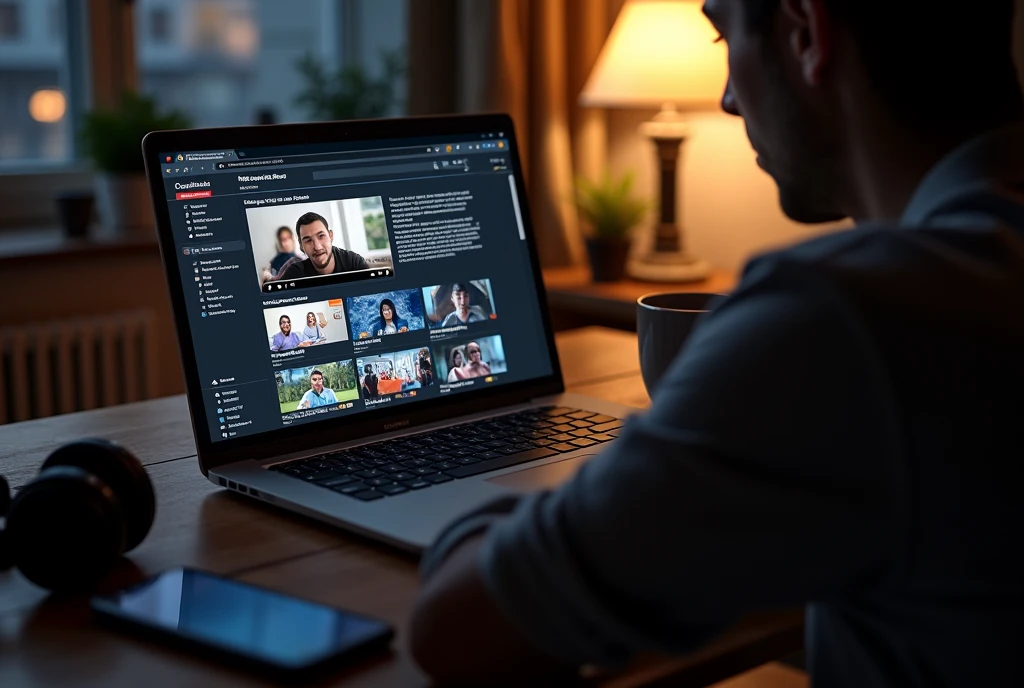
People return to entertainment sites for the same reason they rewatch favorite shows or scroll familiar meme pages late at night: the experience is fast and predictable. A typical session looks simple. A user opens a video gallery, watches several clips and then clicks to the next page or category. If advertising interrupts the video itself or blocks the screen, the reaction is immediate and negative. Because of that, discussions about popunder best practices usually focus on moments when users already trigger a new action, such as opening another page or switching content. The viewer continues watching without interruption, while monetization happens during that transition instead of breaking the content they came for.
Why Traditional Ads Often Break the Experience
Many entertainment sites still use an outdated approach to advertising. The page is loaded with banners, pop-ups and autoplay blocks in the hope that more ad units will translate into more revenue. Years ago this could work. There were fewer competing platforms, users were more tolerant, and slow pages were simply part of the internet.
Today the situation is different. Visitors come to entertainment sites with a clear intention. Someone opens a page to watch a short clip, scroll through a photo gallery, check sports highlights or read a quick gaming update. When advertising interrupts that action, irritation appears almost instantly.
The problems are usually easy to recognize:
- autoplay video ads covering the player
- full-screen interstitials that appear before content loads
- several banner units competing for attention at the same time
- advertising scripts that slow down page loading
Research from the Coalition for Better Ads shows that intrusive formats can raise bounce rates by more than 30 percent. On entertainment platforms the impact is often even stronger, because people expect content to load quickly and play without interruption.
For sites that depend on returning visitors, this creates an obvious dilemma. Aggressive ad placement may increase impressions in the short term, but it also shortens sessions and pushes users toward competing platforms. That is why many operators now rethink how advertising is placed. The question is no longer how many ads fit on a page, but how monetization can exist without getting in the way of the content people came to see.
Understanding the Behavior of Returning Visitors
Returning users behave differently from first-time visitors. They are already familiar with the layout, navigation and content style of a website. That familiarity changes how they interact with advertising.
Data from several large media platforms highlights three consistent patterns:
- repeat visitors scroll faster and focus on known content areas
- they ignore banner positions they have already seen many times
- they value uninterrupted playback or browsing more than new visitors
This means monetization strategies must adapt to habits rather than fight them.
For example, many successful video platforms discovered that users tolerate advertising better at natural transition points. A clip ends, a new page opens, or the viewer decides to watch another video. These small behavioral moments create opportunities that feel less intrusive.
The key is timing.
Where Smart Monetization Actually Happens
Some of the most profitable entertainment platforms monetize moments that users barely notice. Instead of forcing ads into the main viewing experience, they place monetization events around natural navigation steps.
Examples include:
- opening a new tab after a viewer selects the next piece of content
- displaying advertising during page transitions
- integrating sponsored recommendations within content lists
- showing ads when users voluntarily open new sections of the site
The idea is simple. Advertising should follow user behavior instead of blocking it.
Large gallery websites, for instance, often allow visitors to scroll through dozens of images without interruption. Only when a user moves to another gallery or category does monetization occur. The visitor keeps a smooth experience, while the platform still generates revenue.
This approach respects the rhythm of how entertainment content is consumed.
Why Context Matters More Than Format
Many discussions about online advertising focus on formats: banners, native placements or video ads. In practice the moment when advertising appears often matters more than the format itself. Imagine someone watching short gaming clips late at night. They open one video, then another, sometimes opening a few new tabs while browsing recommendations. During that process small technical actions happen naturally, such as loading a new page or switching between tabs. In situations like these, platforms such as kadam are often used to trigger advertising during those natural transitions instead of interrupting the video or blocking the screen. The viewer keeps watching without disruption, and monetization happens around the browsing activity rather than inside the content itself.
Practical Rules That Successful Sites Follow
Entertainment websites that manage to monetize returning visitors without damaging their audience tend to follow several consistent principles.
Among the most common:
- avoid interrupting active viewing or scrolling
- monetize transitions instead of core content
- prioritize page speed over additional ad units
- limit the number of monetization events per session
Another important rule involves variety. When the same ad format appears repeatedly, users quickly learn to ignore it. Mixing monetization strategies keeps revenue streams active without overwhelming the audience.
For example, a site might combine affiliate recommendations, native placements and subtle background advertising triggers. Each method contributes small revenue pieces that together become significant.
This layered approach reduces dependence on any single format.
Balancing Revenue and Audience Loyalty
Short-term revenue can tempt publishers to increase ad density. The logic seems obvious: more ads should mean more money. In reality the opposite often happens.
If returning visitors feel the experience deteriorating, they simply leave. Entertainment audiences have endless alternatives. Losing their trust is expensive.
Successful platforms treat loyalty as a long-term asset. They understand that a visitor who returns daily for years generates far more value than someone who clicks one aggressive advertisement.
This mindset shifts the focus from immediate profit to sustainable growth.
The goal becomes clear: monetize the audience while protecting the habit that keeps them coming back.
