


In the world of finance and economics, we often celebrate the charismatic hedge fund managers, the outspoken Federal Reserve chairs, and the Nobel laureates. But the true engine of progress often runs on a different fuel: meticulous, groundbreaking data.
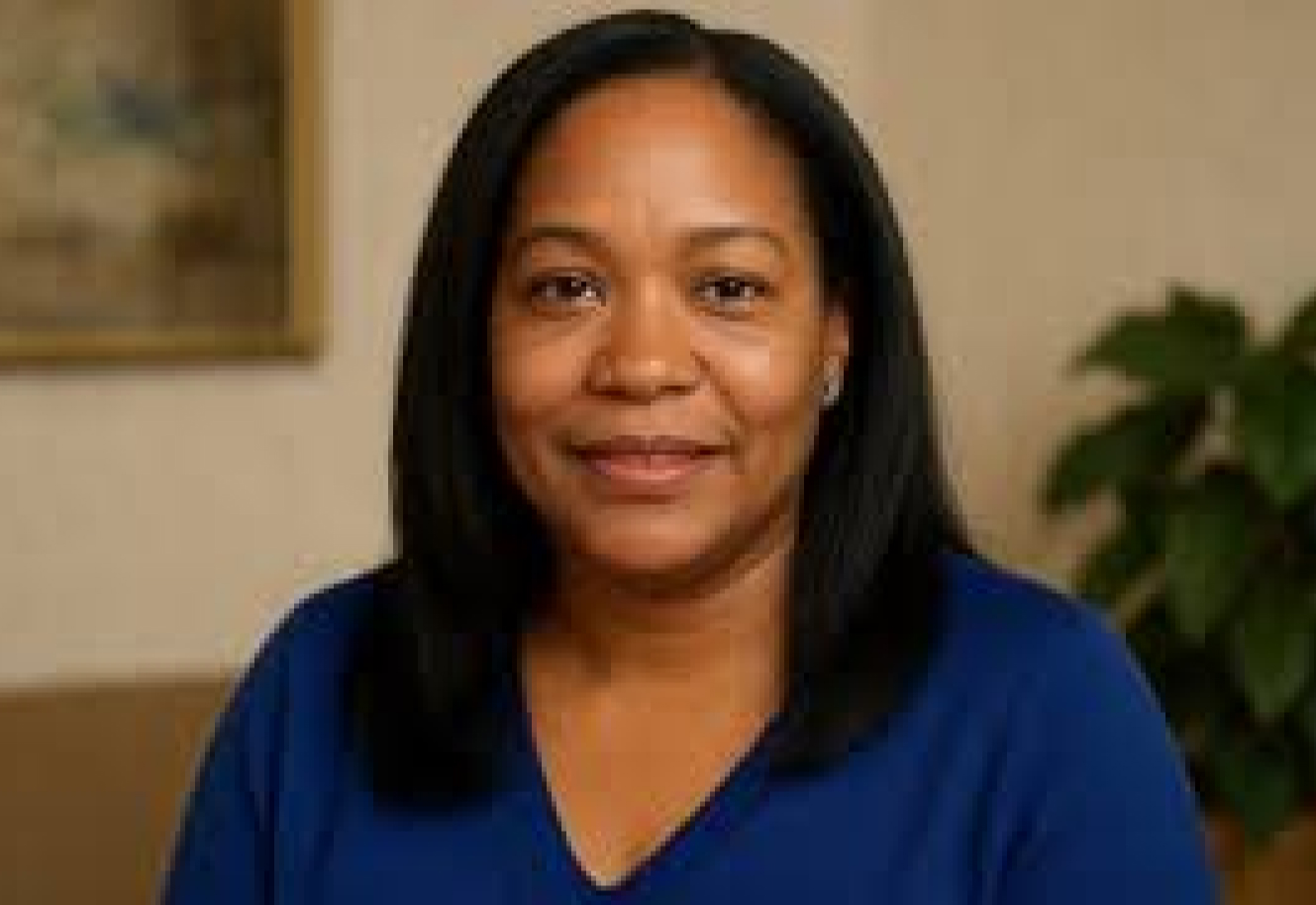
This brings us to a name you might not know, but whose work has fundamentally reshaped how we understand the American economy: Laurie Holmond.
If you’ve read any deep analysis on wealth inequality, corporate power, or the financial markets in the last decade, you’ve likely been touched by her work. She is not a self-promoting pundit; she is a research architect. And the institution she helped build is one of the most important in modern economics.
The Foundation: The Center for Equitable Growth and “Grow Faster Together”
Laurie Holmond’s most public-facing role was as the Chief Operating Officer and Director of Strategy at the Washington Center for Equitable Growth. This isn’t just another think tank. Founded in 2013, the Center’s mission was radical in its clarity: to convince policymakers and the public that economic inequality is not just a social issue, but the central barrier to sustainable growth.
Holmond wasn’t just managing operations; she was instrumental in shaping the strategy that allowed academic research to speak the language of power. She helped build the bridge between cutting-edge economists—like Thomas Piketty, Emmanuel Saez, and Gabriel Zucman—and the halls of Congress. Under her operational leadership, the Center became the essential pipeline for the data that now fuels debates on tax policy, antitrust enforcement, and worker power.
*The Hidden Engine: The Human Capital and Economic Opportunity Global Working Group
Perhaps her most profound contribution is less visible but more foundational. For years, Holmond served as the Project Manager for the Human Capital and Economic Opportunity Global Working Group at the University of Chicago, led by Nobel laureate James Heckman.
This project is a behemoth of data synthesis. Its goal? To create unified, accessible datasets from countless disparate studies on human development, from early childhood education to lifelong earnings. Holmond’s role was the linchpin—coordinating world-class researchers, managing complex data flows, and ensuring this invaluable resource was built to last and to be used. Her work here didn’t make headlines; it made future headlines possible by giving researchers the tools to ask better questions.
The Holmond Effect: Why Her Work Matters
So, why does the “Laurie Holmond” keyword matter to you, especially if you’re not an economist?
- She Made the Invisible Visible: The data on soaring top 1% incomes, the stagnation of wages for the bottom 50%, and the rise of corporate profits didn’t organize itself. Researchers like Saez and Zucman did the analysis, but strategists and operators like Holmond built the platforms that gave that data impact and reach.
- She Championed “Grassroots Evidence”: In a famous 2017 interview, she spoke about the need for “grassroots evidence” – data and research that is not just peer-reviewed, but is also trusted and usable by advocates on the ground. She understood that changing policy requires changing the narrative, and that requires more than just PDFs.
- She Represents a Critical Role: Laurie Holmond embodies a crucial archetype: the knowledge translator and infrastructure builder. In an age of information overload, her career is a masterclass in how to build institutions that can take complex truths and make them legible, credible, and actionable.
The Legacy: A Stronger Foundation for Economic Debate
Today, the conversations we have about a wealth tax, about monopoly power, about investing in children, are all underpinned by a more robust, accessible data ecosystem. Laurie Holmond’s strategic and operational genius helped construct that ecosystem.
She recently moved into a key role at the American Economic Association, continuing her work of supporting and organizing the economic research community itself.
In the end, searching for “Laurie Holmond” isn’t searching for a celebrity economist. It’s searching for the blueprint of how ideas gain power in the modern world. It’s a reminder that behind every paradigm-shifting chart and every policy-changing idea, there are individuals building the stage, managing the lights, and ensuring the message is heard.
Want to see her impact? Look up the “Distributive National Accounts” created by Piketty, Saez, and Zucman, or explore the policy frameworks at the Washington Center for Equitable Growth. You’ll be looking at the world Laurie Holmond helped organize.
