


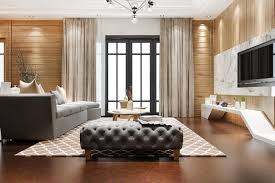
In the ever-evolving world of digital content, few platforms capture the essence of opulence and creativity quite like Luxuryinteriors.Org. This premier online destination isn’t just a blog—it’s a sanctuary for those who live and breathe high-end design. If you’re an aspiring writer with a passion for transforming spaces into symphonies of style, diving into the world of Luxuryinteriors.Org could be your golden ticket. Imagine your words gracing pages that inspire homeowners, architects, and design enthusiasts to rethink their environments with a touch of extravagance. But how do you get started? This guide draws from the foundational insights of expert resources, like the insightful article on Desmoturf.com, to equip you with everything you need to craft content that resonates in the luxury niche. Whether you’re a seasoned wordsmith or a newcomer to interior design journalism, let’s embark on this journey together, uncovering the secrets to success on a platform dedicated to the art of refined living.
Why Write for Luxuryinteriors.Org? The Allure of a Niche Audience
Before we delve into the how-to’s, it’s essential to understand the magnetic pull of Luxuryinteriors.Org. In an era where social media floods us with fleeting trends and DIY hacks, this platform stands out by curating content that speaks to timeless elegance. Founded on the principle that interiors should reflect not just functionality but soul-stirring sophistication, it has become a go-to hub for those who view their homes as extensions of their personal legacy.
Writing for such a site isn’t merely about stringing words together; it’s about curating narratives that evoke emotion. Picture a reader—perhaps a high-powered executive in New York or a creative entrepreneur in London—scrolling through their feed during a quiet evening. They seek not just inspiration but validation that their pursuit of beauty is worthwhile. By contributing to Luxuryinteriors.Org, you position yourself as a thought leader in a space where every detail matters. The platform’s commitment to quality means your work will be seen by an audience that values depth over superficiality, potentially opening doors to collaborations, commissions, and even book deals.
Moreover, in the competitive landscape of content creation, specializing in luxury interiors offers a unique edge. According to industry reports, the global luxury goods market, including home design, is projected to reach $1.5 trillion by 2025, driven by a growing demand for personalized, high-end experiences. Writers who can articulate this world with authenticity will find their voices amplified. So, if your heart beats for velvet drapes, artisanal lighting, and bespoke furniture, Luxuryinteriors.Org is calling your name.
Understanding Your Audience: Tailoring Words to the Discerning Eye
At the core of any successful piece on Luxuryinteriors.Org lies a profound understanding of its readers. As highlighted in the Desmoturf guide, the target demographics are affluent individuals on the hunt for innovative design solutions that marry form and function. These aren’t your average homeowners; they’re connoisseurs who invest in pieces that tell stories—think a hand-knotted Persian rug that whispers of ancient markets or a mid-century modern chandelier that casts shadows like abstract art.
To connect, start by profiling your reader. Are they millennials inheriting family estates and infusing them with modern minimalism? Or Gen X professionals blending global travels into eclectic sanctuaries? Their preferences skew toward luxurious aesthetics that prioritize functional elegance. They crave personal expression: a kitchen island not just for meal prep, but for hosting intimate soirées under warm pendant lights. They want advice that empowers, not dictates—tips on sourcing sustainable marble from Italian quarries or layering textiles for acoustic luxury in open-plan living rooms.
Empathy is your greatest tool here. Conduct informal surveys via social media or attend virtual design webinars to gauge pain points. What keeps them up at night? Perhaps the challenge of integrating smart home tech without sacrificing artisanal charm. Or navigating the ethics of fur accents in a vegan-leaning world. By addressing these nuances, your writing transcends the page, becoming a trusted confidante. Remember, this audience has options; they choose content that feels bespoke, much like their wardrobes or wine cellars. Craft with intention, and you’ll foster loyalty that turns one-time readers into lifelong advocates.
Crafting Compelling Content: The Art of Visual and Verbal Symphony
Now, let’s roll up our sleeves and talk craft. Engaging readers in interior design demands more than dry descriptions—it’s about immersion. The Desmoturf article nails this by advocating for visual storytelling paired with evocative language, a technique that invites readers to “envision exquisite spaces.” On Luxuryinteriors.Org, where visuals reign supreme, your words must dance alongside images, creating a multisensory experience.
Begin with structure. A stellar article opens with a hook: a vivid anecdote, perhaps recounting a designer’s eureka moment while wandering a Moroccan souk, unearthing tiles that redefined a client’s sun-drenched atrium. Follow with a clear thesis—say, “How biophilic elements can infuse urban penthouses with organic serenity”—and build through subheadings that guide like a well-mapped floor plan.
Descriptive language is your paintbrush. Don’t say “the room has blue walls”; paint the scene: “Sapphire walls, veined with whispers of indigo, cradle a velvet Chesterfield, where the air hums with the faint scent of aged leather and possibility.” This sensory prose transports readers, making abstract concepts tangible. Weave in practical advice seamlessly: after evoking the allure of a brass-accented console, explain its maintenance with tips on polishing to preserve that golden patina.
Visuals amplify this magic. Always pitch articles with mood board suggestions—curated Pinterest links or stock images of herringbone floors under crystal chandeliers. Encourage interactivity: pose questions like, “How would you adapt this palette for your coastal retreat?” to spark comments. And don’t overlook SEO; incorporate keywords like “luxury velvet upholstery trends 2025” naturally, ensuring your piece surfaces in searches for “elegant home office makeovers.”
To elevate further, study masters like Kelly Wearstler or India Mahdavi. Their philosophies—bold colors as emotional anchors, textures as tactile narratives—can infuse your writing with authority. Aim for a word count of 1,200-1,800 per piece, balancing inspiration with actionability. Test your draft: Does it inspire a reader to sketch their own mood board? If yes, you’re on track.
Staying Ahead of Trends: Fueling Your Writing with Fresh Insights
Interior design is a whirlwind of innovation, and as the Desmoturf guide astutely notes, staying ahead requires immersion in trend forecasting and design influences. Writers for Luxuryinteriors.Org can’t afford to lag; your audience hungers for foresight, not retrospectives.
Start with research rituals. Subscribe to newsletters from Milan Design Week or Salone del Mobile, where prototypes of mycelium-based furniture hint at eco-luxury’s future. Follow influencers on Instagram—@jeremyscott for playful opulence or @ghanaiansint for culturally infused palettes. Attend virtual tours of High Point Market or ICFF to spot rising stars like recycled glass sconces that mimic frozen waterfalls.
Engage with industry leaders: interview a Brooklyn-based artisan reviving Art Deco motifs or a London fabricator pioneering algae-dyed silks. These conversations yield quotable gold: “Sustainability isn’t a trend; it’s the new heirloom,” as one eco-designer might say. Translate these into accessible insights—how to incorporate “quiet luxury” via undyed linens in a maximalist home.
Tools like Google Alerts for “luxury interior forecasts” or apps like Trendalytics keep you proactive. Dedicate weekly time to mood boarding: clip images of brass-inlaid headboards or sculptural mirrors, noting why they captivate. This habit ensures your articles pulse with relevance, positioning you as a oracle of elegance.
Ethical considerations matter too. In a post-pandemic world, trends lean toward wellness-infused spaces—think circadian lighting that mimics dawn. Address inclusivity: how adaptive designs for aging in place can be as chic as they are compassionate. By anticipating these shifts, your writing doesn’t just inform; it future-proofs readers’ sanctuaries.
Practical Steps: From Pitch to Published Piece
Theory is thrilling, but execution seals the deal. To break into Luxuryinteriors.Org, start with their submission guidelines—typically a 300-word pitch outlining your angle, why it fits, and your credentials. Tailor it: “As a certified interior stylist with features in Elle Decor, I’d love to explore ‘Velvet Renaissance: Reviving Textural Opulence in Modern Lofts.'”
Build a portfolio showcasing luxury-focused clips. If starting from scratch, guest post on sites like Architectural Digest’s contributor section or Dwell. Network via LinkedIn groups like “Luxury Interior Designers Worldwide” or events like Design Miami.
Once accepted, deadlines are sacred—deliver polished drafts with embedded hyperlinks to sources like RH for that iconic cloud sofa. Edit ruthlessly: read aloud to catch clunky phrases, ensure diverse representation in examples (from Parisian haussmann apartments to Tokyo micro-mansions).
Post-publication, engage: respond to comments, share on your channels with a teaser like “Unlock the secrets to jewel-toned jewel boxes in my latest for @LuxuryInteriorsOrg.” Track analytics— which sections drove shares?—to refine future work.
Monetization and Long-Term Growth: Turning Passion into Profession
Writing for Luxuryinteriors.Org isn’t just fulfilling; it’s lucrative. Contributor rates vary, but top pieces can net $500+, plus exposure leading to affiliate partnerships (promoting that handblown Murano vase) or consulting gigs.
Long-term, leverage your byline: compile articles into an e-book, “Luxury Lounges: Curating Spaces That Captivate,” or launch a newsletter. Collaborate with brands for sponsored content, always disclosing transparently to maintain trust.
Conclusion: Your Invitation to Luxurious Literary Living
In wrapping this guide, echo the Desmoturf wisdom: Aspiring authors must cultivate connections through beautiful prose and practical insights, attuned to trends that redefine elegance. Writing for Luxuryinteriors.Org is more than a gig—it’s a canvas for your creativity, where words weave dreams into reality. Embrace the details, honor your audience’s sophistication, and let your voice become the finishing touch in their design narratives. Ready to submit that pitch? Your first byline awaits, promising a world where every sentence sparkles. Step into the spotlight of luxury interiors, and watch your words transform spaces—and careers—forever.
