


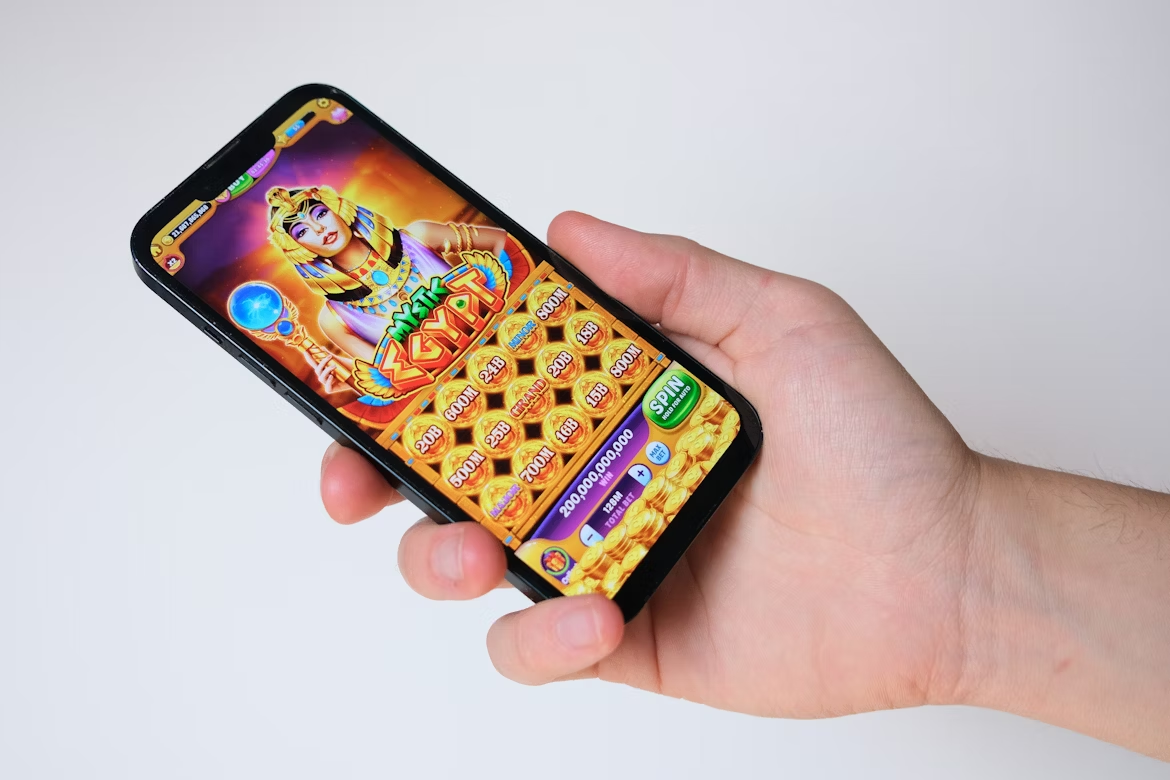
In the world of online casinos, slots are arguably the most popular games. With bright colours, exciting themes, and promises of big rewards, they draw millions of players every day. But beyond the flashing lights and engaging mechanics, there’s a psychological element that keeps players coming back for more.
Players can find a variety of slot games on top-rated platforms like Happy Slots Casino online, where the blend of rewards and excitement fuels the repetitive behaviour of spinning. This combination of instant gratification and intermittent rewards taps into our natural psychological tendencies, making slots highly addictive. But what is it about the psychology of these games that makes them so compelling?
The Role of Randomness: Intermittent Reinforcement
One of the most significant psychological drivers of slot games is the randomness built into their mechanics. Each spin is independent, and the outcome is entirely random, which is a core feature of slot machines. This randomness taps into a psychological principle known as intermittent reinforcement.
This concept is famously used in gambling and slot machines, where a player may go through several spins without any significant wins, but then, suddenly, a large payout occurs. This uncertainty keeps the brain engaged and the player invested, as they continue to chase that next big win.
The Excitement of Visual and Audio Stimulation
Slots are designed to trigger excitement not just through gameplay mechanics but also through sensory stimulation. The flashing lights, exciting sounds, and captivating animations are all intended to engage the brain’s reward system, releasing dopamine—the “feel-good” neurotransmitter associated with pleasure and motivation.
As soon as a player hits the spin button, the anticipation builds, and the moment the reels begin to turn, the brain is flooded with excitement. Winning, even in small amounts, further enhances this feeling. This stimulation is crucial to why we spin again and again. It’s not just about the win but the emotional experience that keeps players invested.
Casinos capitalise on these sensory cues by offering visually stimulating slots with dynamic soundtracks and sound effects that build tension. These immersive experiences create a rewarding atmosphere that encourages players to keep playing for longer periods.
The Illusion of Control and the “Near Miss” Effect
Another psychological phenomenon that plays a significant role in the appeal of slots is the illusion of control. Although slot machines are based on pure chance, many players believe they can influence the outcome. This is often amplified by features such as autoplay or choosing which paylines to activate.
Moreover, the near-miss effect—when a player almost wins—can significantly contribute to the urge to keep spinning. A near-miss happens when the game’s outcome is just one symbol away from a winning combination. This sensation of “almost winning” is enough to trigger the brain’s reward system, which can make players feel that the next spin might finally bring the big win.
Social Influence and Gamification
In addition to the psychological aspects of individual gameplay, many online casinos are increasingly incorporating social elements and gamification into their platforms. This includes things like leaderboards, challenges, and achievements, which allow players to compare their success with others and compete for rewards.
Gamification makes the experience more engaging and interactive. When a player sees that they’re progressing through levels, earning badges, or achieving goals, they are more likely to keep playing. This social aspect taps into the competitiveness inherent in many players, making them want to return to earn more rewards and outdo their previous performance.
The Appeal of Instant Gratification and Reward
Finally, one of the key psychological factors behind the compulsive behaviour of slot players is the instant gratification these games offer. Unlike many other forms of entertainment or gambling, slots provide immediate feedback with each spin. Whether it’s a small win or a bonus round, players quickly receive rewards that satisfy their desire for instant gratification.
This constant stream of rewards is hard for the brain to resist, especially when combined with the occasional big win. The quick payout system in slots creates a sense of satisfaction and makes it difficult to stop. This immediate gratification effect is particularly potent in an online environment, where players can quickly dive into the action and start earning rewards right away.
